People picture catering as food arriving in trays, but what you are really hiring is a working kitchen plus the logistics around it: planning a menu that survives transport, timing production, and presenting food in a room that is not a dining room. A downtown cafe that caters in its own community has a head start on all of it, because its kitchen already produces this food daily and its reputation rides on events its neighbors attend.
What the caterer manages
A restaurant catering operation typically handles menu planning within its kitchen's strengths, food production, transport, and presentation at the event, and its expertise usually spans management, execution, and the creative side of making a buffet or plated service look like an occasion rather than a delivery. The menu will lean on dishes the kitchen does well at volume: entrees and sides that hold heat, salads that stay crisp, and desserts that travel. Asking a caterer to reproduce a delicate, made to the minute dining room dish for eighty people in a rented hall misunderstands what travels; the caterer's guidance on substitutions is expertise, not stubbornness.
What the host still owns
The venue, rentals like tables, chairs, and linens if the space lacks them, beverages beyond what the caterer provides, and the timeline of the event itself usually stay with the host unless explicitly arranged. So do final headcount discipline: give the caterer a firm number by the deadline they set, because production, staffing, and food cost all hang off that figure. Dietary needs should be collected with your RSVPs and passed along in one list, not discovered by the kitchen on the day.
Questions to settle before you sign on
Ask what service style is included, drop off, buffet with staff, or full plated service, and what each includes for setup and cleanup. Confirm how the food is transported and held at temperature, what the rain or delay plan is for outdoor events, and when the final count and payment are due. Get the answers in writing in a single agreement. Hosts who do that legwork once find the event itself strangely calm, which is the actual product a good caterer sells.
- Service style chosen: drop off, buffet, or plated
- Final headcount deadline on the calendar
- Dietary needs collected with RSVPs
- Venue rentals and beverages assigned an owner
- Setup, cleanup, and timing confirmed in writing
Tastings, timelines, and the day itself
For larger events, ask whether a tasting is possible. Sitting down to the actual dishes, at the actual seasoning levels, settles arguments that menus cannot, and it aligns your expectations with the kitchen's strengths before money and invitations are committed. Build the planning timeline backwards from the event: venue and caterer first, menu next, rentals and beverages after, final count last. Each step depends on the one before, and caterers can tell within one conversation whether a host's timeline is realistic, which is another reason to have that conversation early.
On the day, appoint one person, not the host, as the caterer's contact for questions. Hosts should host; the cousin or colleague with the timeline sheet should be the one confirming where the buffet goes and when the cake is cut. When the event ends, a quick word with the catering lead about what ran out and what came home in quantity is the report that makes your next event better, and caterers quietly love the clients who ask for it.
Small events deserve the same discipline as large ones, scaled down. A retirement dinner for thirty in a private room still needs its service style chosen, its count confirmed, and its timing written down. The advantage of using a restaurant's own catering for a restaurant sized event is that the kitchen, the food, and often the room are one operation, and handoffs are where events usually fumble. Fewer handoffs, fewer fumbles; that is the whole argument in one line.
Trust the process and enjoy your own event. That, in the end, is the entire reason the caterer is there.
Common questions
How far ahead should I book a caterer?
As early as your date is firm. Popular weekends in spring and fall book out, and a small kitchen can only run so many events in a day, so months ahead for a wedding or large event is normal.
Can the caterer handle dietary restrictions?
Usually yes, if told in advance. Collect restrictions with your RSVPs and pass one complete list to the caterer before the final planning deadline.
What is the difference between drop off and full service catering?
Drop off delivers set up food and leaves; full service includes staff who maintain the buffet or plate courses, manage timing, and clean up the food service areas. The price difference is mostly that labor.
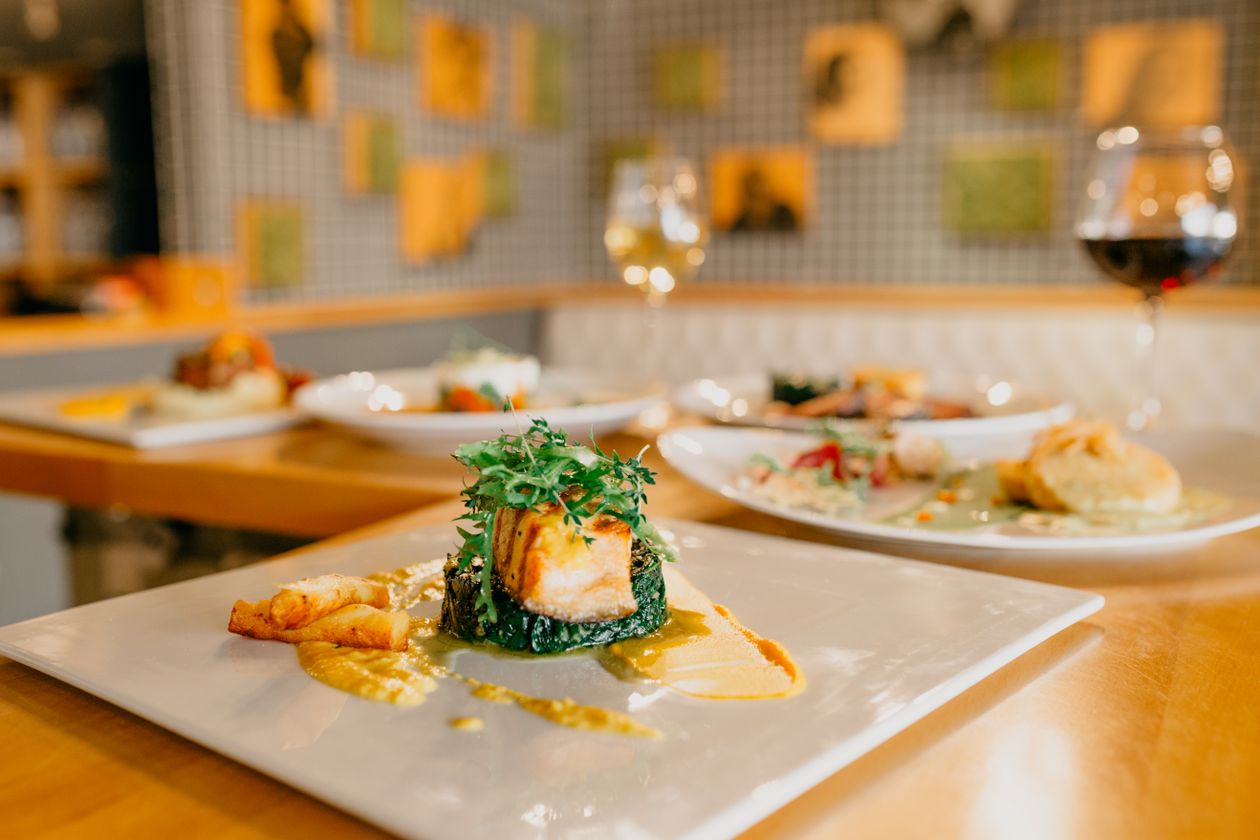
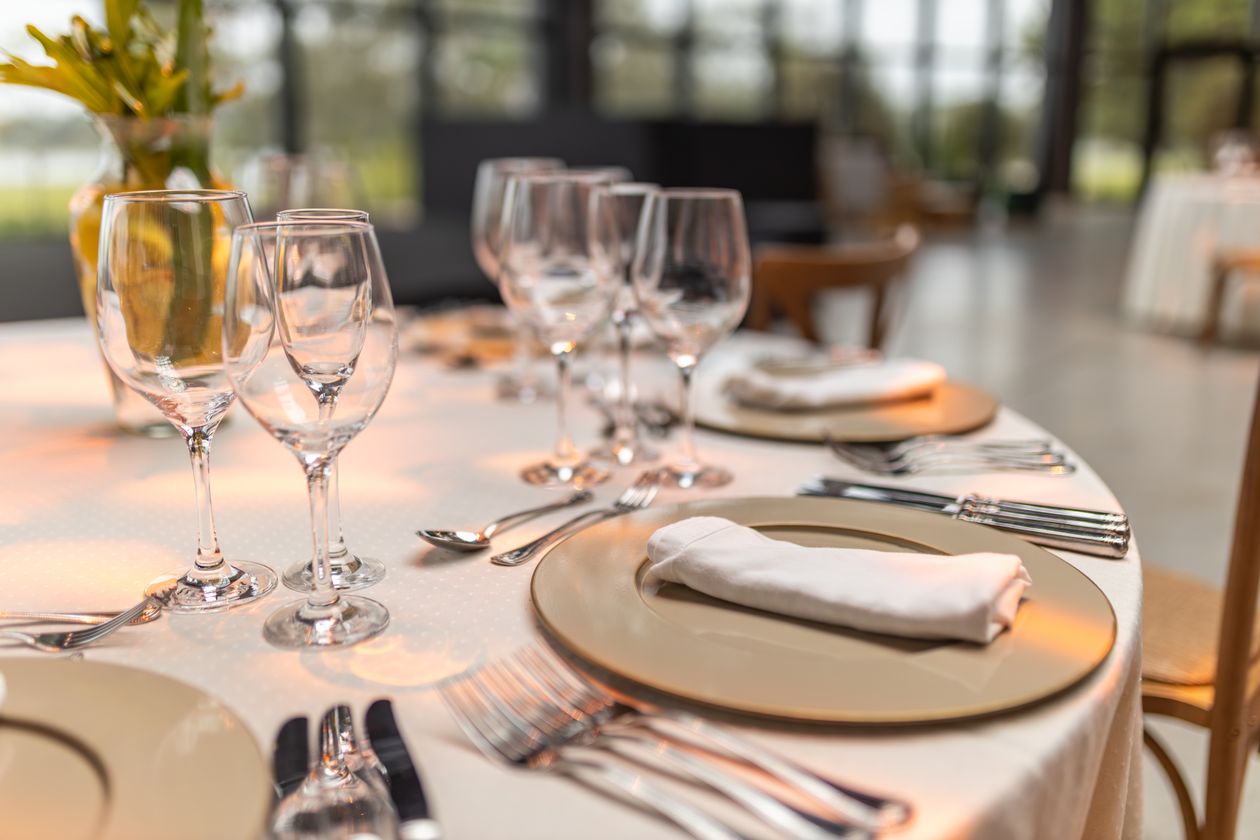
Photos in this guide are representative stock images.
← All guides from 220 Cafe← Back to 220 Cafe