Statesville is hours from the coast, not days, and North Carolina's position means a downtown kitchen can serve genuinely fresh fish when it buys carefully and cooks it simply. The menu phrase fresh catch of the day is either the best item on the board or a vague promise, and the difference is revealed by two questions any diner is entitled to ask: what is the fish today, and how is it prepared?
What a good answer sounds like
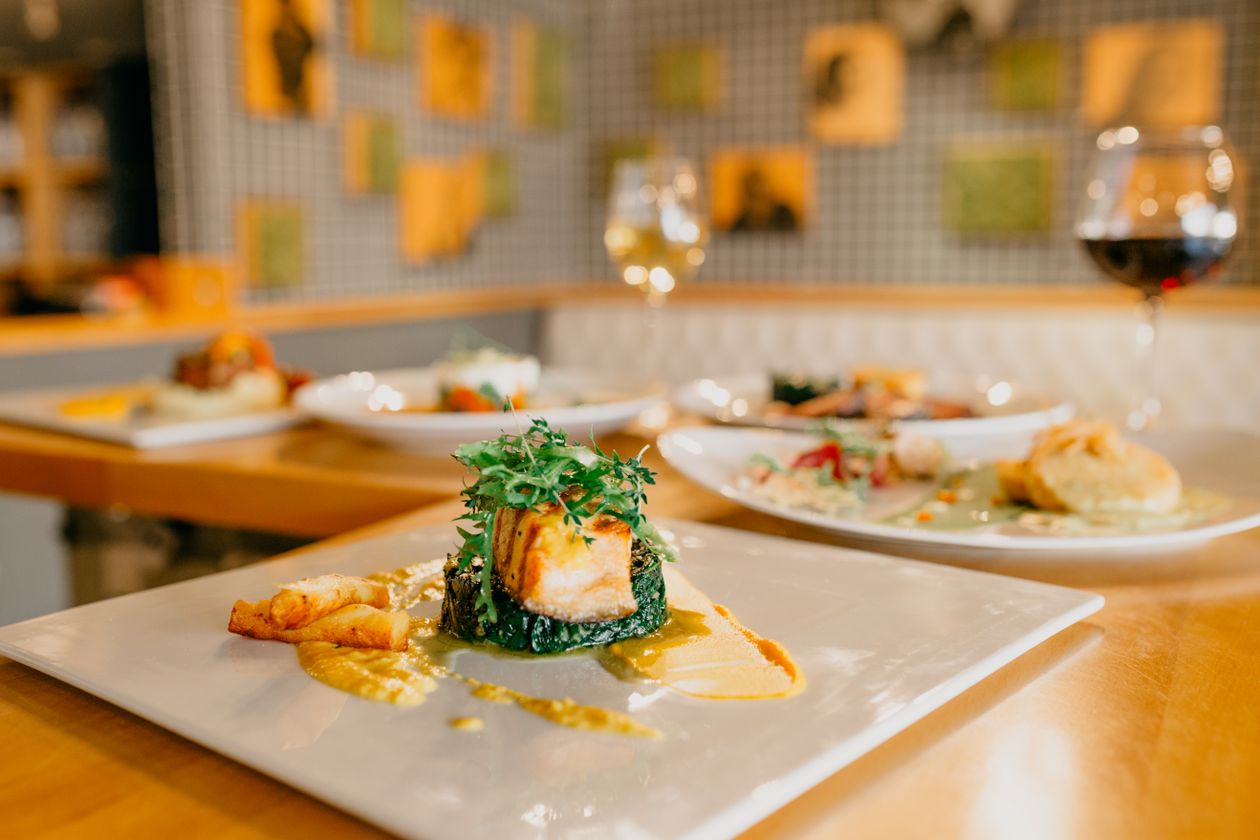
A good answer names a species, grouper, flounder, mahi, salmon is usually its own listing, and a preparation that suits it: grilled with a light sauce, blackened, pan seared with vegetables. It also changes genuinely from week to week with supply. A catch that is the same fish, cooked the same way, every single visit for a year is not a catch program; it is a standing menu item wearing a fresher name. Servers in a kitchen that buys well are usually pleased to talk about the fish, because it is the menu's most perishable and most interesting line.
Seasonality applies inland too. Some species are better and more available at certain times of year, and oyster and shellfish traditions in the Carolinas follow the colder months for wild product, even as modern aquaculture has softened the old rules.
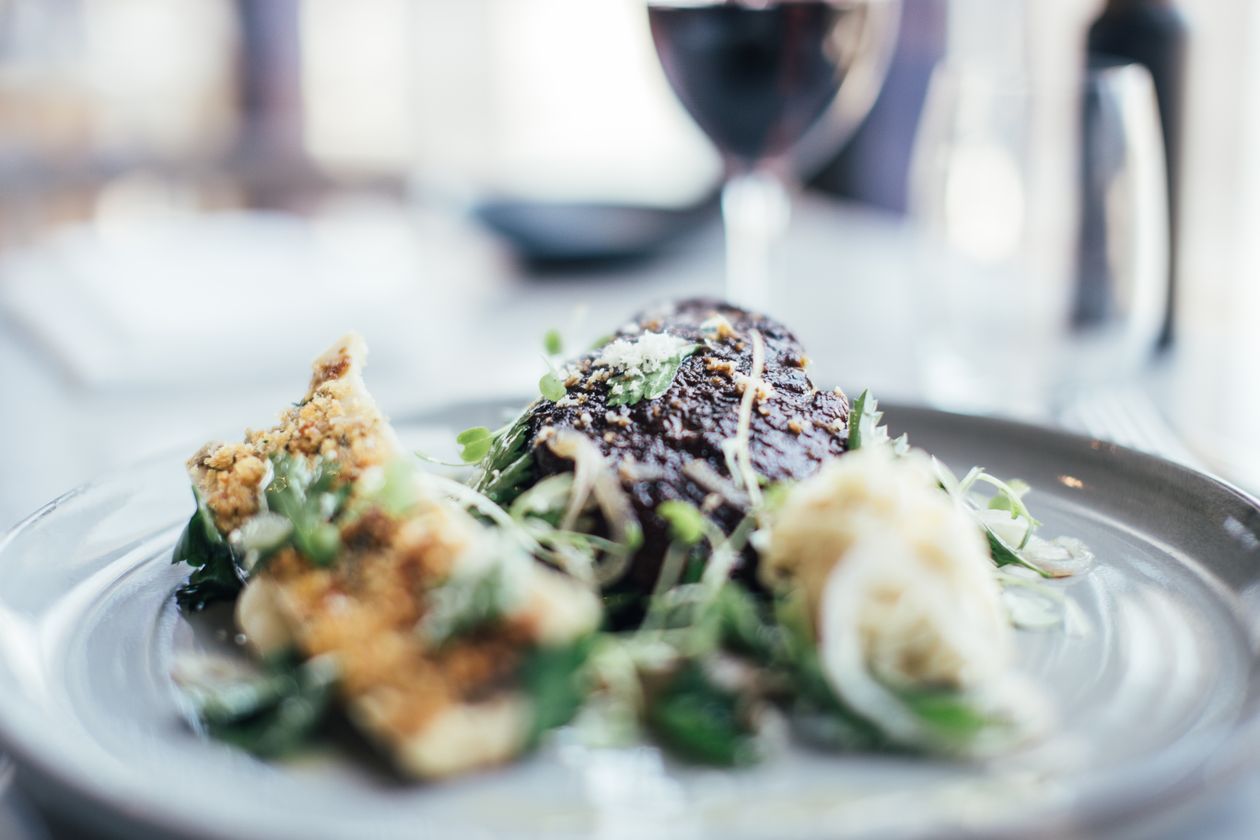
Preparations, translated
Grilling suits firm fish and adds char that stands up to bold sides. Blackening brings Cajun spice and a crust, lively with milder fish. Pan searing gives a crisp skin and a delicate interior, best for fish where texture is the appeal. Fried preparations are crowd pleasers that trade delicacy for crunch, and a wasabi crust or an Asian glaze, both seen on tuna and salmon preparations, brings heat and sweetness that pair well with richer fish. Matching preparation weight to the fish, light on delicate, bold on firm, is the same body principle as wine pairing, applied on the plate.
Ordering for the table
If two people are torn between the catch and the ribeye, order both and share; surf and turf by cooperation is the oldest solution in dining. And ask about crab cakes if the kitchen makes them in house: a cake that is mostly crab, lightly bound, and seared rather than deep fried into anonymity is one of the reliable tests of a Carolina kitchen's seafood standards.
| Preparation | Best for | Character |
|---|---|---|
| Grilled | Firm fish, steaks | Char and smoke |
| Blackened | Mild, firm fish | Spiced crust |
| Pan seared | Delicate fish | Crisp skin, tender center |
| Asian glazed | Salmon, tuna | Sweet heat, rich fish |
Shellfish, crab cakes, and reading a seafood section whole
Read the seafood section of a menu as a system, not as single dishes. Mussels, shrimp preparations, crab cakes, and a rotating catch tell a combined story about a kitchen's seafood buying and handling. Several preparations done with restraint, where the fish and shellfish are clearly the point, signal a kitchen confident in its supply. A seafood section buried under heavy sauces everywhere can mean the opposite, because sauce is where tired fish goes to hide.
Crab deserves its own note in the Carolinas. A crab cake should taste first of crab, sweet and clean, with just enough binder to hold a sear; a cake that tastes mainly of filler and fry oil is a kitchen cutting its most expensive corner in public. Shrimp, by contrast, forgives bold treatment: buffalo or spicy preparations work because shrimp's sweetness stands up to heat. Order across the section over a few visits and you will know the kitchen's seafood character better than any single review can tell you.
If you are learning to cook fish at home, a restaurant catch teaches by example: notice the sear, the seasoning level, and how little the kitchen needed to add. Fresh fish rewards restraint, salt, heat, acid at the end, and most home attempts fail by doing more, not less. Ask the server how tonight's catch is prepared and steal the method shamelessly; cooks have borrowed from dining rooms since dining rooms existed.
Common questions
How fresh is fish served inland, really?
With modern cold transport, fish reaches inland North Carolina kitchens within a day or two of landing. A kitchen that names its species and rotates its catch is buying on that cycle.
What should I ask about the catch of the day?
Ask the species, where it is from if they know, and the preparation. A specific, changing answer signals a real buying program.
Which preparation is safest for a mild fish?
Grilled or pan seared with a light sauce. Heavy frying and strong glazes can bury a delicate fish; save bold preparations for firm, richer species like tuna and salmon.
Photos in this guide are representative stock images.
← All guides from 220 Cafe← Back to 220 Cafe