Wine lists intimidate people out of proportion to the difficulty involved. A broad list with bottles from around the world, including smaller boutique producers, is an opportunity rather than a test, and pairing follows a few sturdy principles that hold up across almost any menu. Get those right and the specific bottle matters far less than people fear.
Match weight with weight
The core rule is body: rich food wants a wine with enough body to stand beside it, and delicate food wants a wine that will not bury it. A black and bleu grilled ribeye, with its fat and char, pairs naturally with a full bodied red, a cabernet or a malbec style wine with tannin to cut the richness. Grilled salmon and a fresh catch sit better with a white with some body or a dry rose, while seared tuna and lighter preparations lean toward crisper whites. Creamy dishes like a spinach and artichoke dip or a stuffed chicken in sauce meet their match in a white with acidity, which refreshes the palate between bites.
Spice changes the equation. With spicy starters or peppery preparations, a touch of sweetness in the wine calms heat better than a bone dry, high alcohol bottle, which can amplify it.
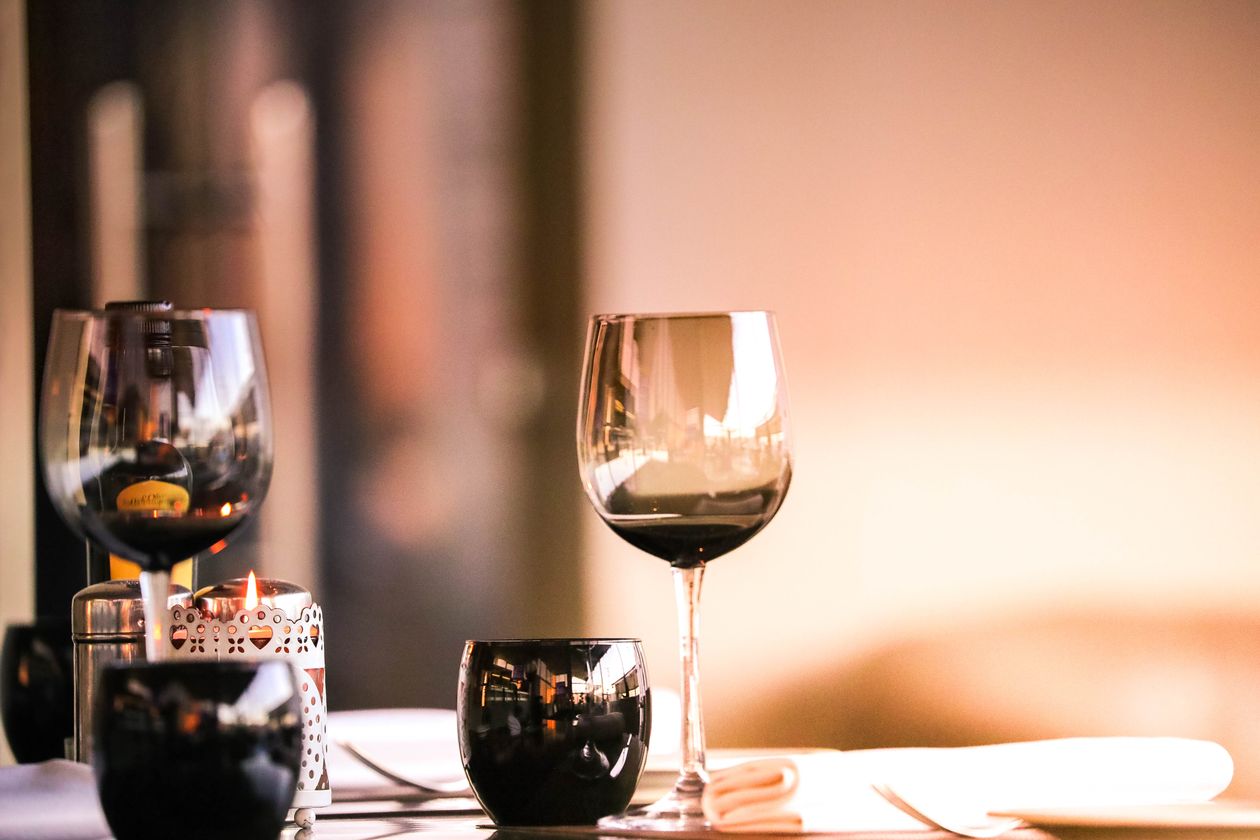
Using the list and the specials
Wine specials on set weeknights, commonly midweek and Saturday in downtown restaurants, exist to move interesting bottles, and they are the best value moment to try something beyond your default. Tell the server three things: what the table is eating, a wine you have enjoyed before even if it is just a style like dry red or crisp white, and that you are open to the special board. That is enough information for a good recommendation, and asking for it is normal practice, not an admission of anything.
Temperature and the second glass
Whites served too cold lose their aroma; reds served at warm room temperature in a Carolina summer taste flat and alcoholic. A good dining room manages this for you, but at a patio table, asking for an ice bucket for a white or rose is always acceptable. And if the table orders mixed entrees, one versatile bottle, a dry rose or a medium bodied red, covers more ground gracefully than perfection for one plate and conflict for the rest.
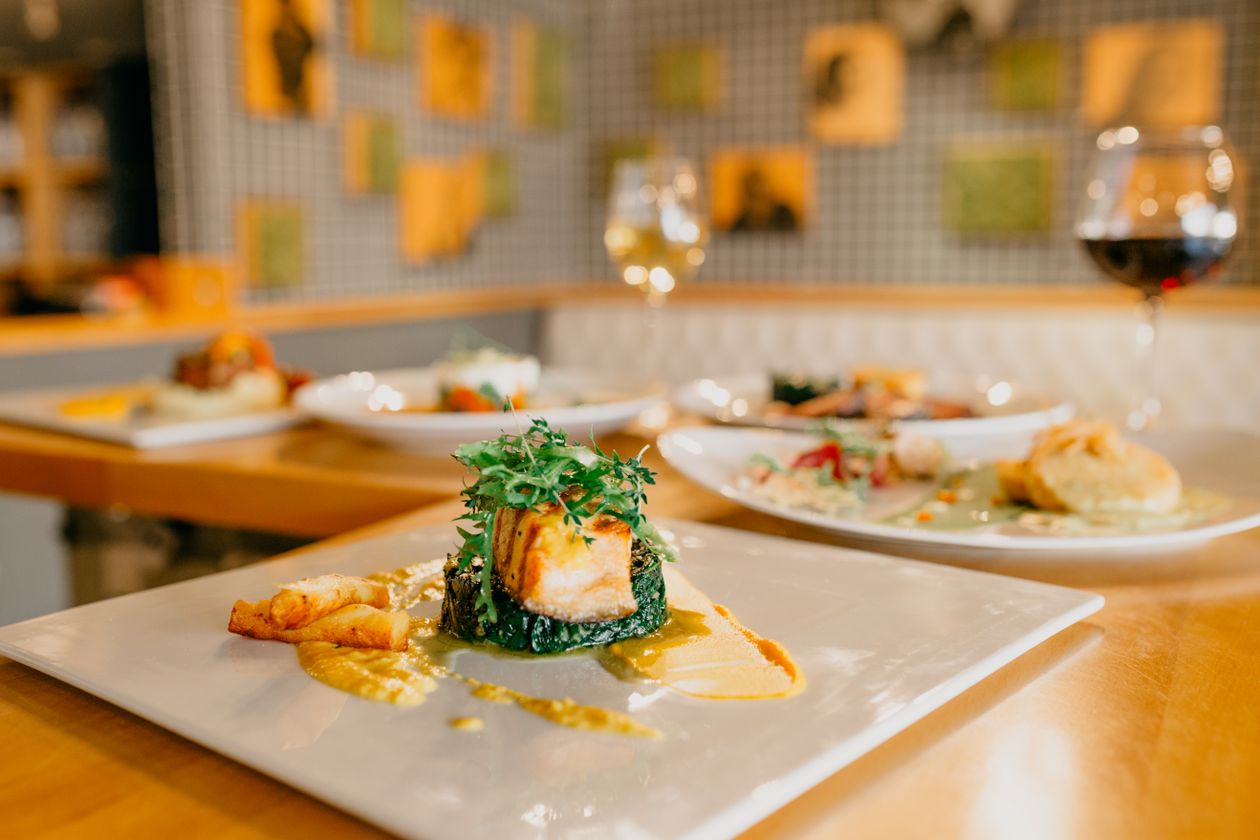
- Start from the plates. Rich entrees point to full wines, delicate plates to lighter ones.
- Mind spice and sauce. Heat likes a touch of sweetness; cream likes acidity.
- Use the special board. Tell the server your plates and a style you like.
- Pick one versatile bottle for mixed tables. A dry rose or medium red covers the spread.
By the glass versus by the bottle for a table
The math of the wine list confuses people into worse choices. By the glass suits a table drinking little or drinking in different directions, a white for the fish eater, a red for the steak eater, one glass each. By the bottle suits a table of three or four sharing two glasses apiece of something that works across the plates, and it usually opens the more interesting part of the list, the boutique bottles that are never poured by the glass. Neither choice is the sophisticated one; they are tools for different tables.
Two habits separate relaxed wine drinkers from anxious ones. First, taste and approve the bottle without performance: you are checking that the wine is sound, not auditioning for anything. Second, it is always acceptable to ask for a recommendation within the list's more moderate range, and good servers treat that as a normal, welcome request. A list with bottles from around the world exists to be explored at every level, not admired from the safe end.
One more demystification: the most expensive bottle is not the correct answer to any pairing question, and no serious server treats it as one. Lists are built in layers so that a table can drink well at the level it chooses. Spend your attention on the match, your money where the occasion genuinely calls for it, and let the special nights introduce you to bottles above your usual layer when curiosity strikes.
Common questions
What wine goes with the ribeye?
A full bodied red with tannin, such as a cabernet style wine. The tannin cuts the fat and char, and the body matches the richness of the cut.
I do not know wine terms. How do I ask for help?
Say what you are eating and one style you have liked, dry or fruity, red or white. Servers translate from that all night; no vocabulary is required.
Is it worth ordering wine on special nights?
Yes, specials are the best moment to try boutique bottles the list features, often ones you would not risk at full list price.
Photos in this guide are representative stock images.
← All guides from 220 Cafe← Back to 220 Cafe